MUSIC
Home / Music
Working with Maureen Sickler
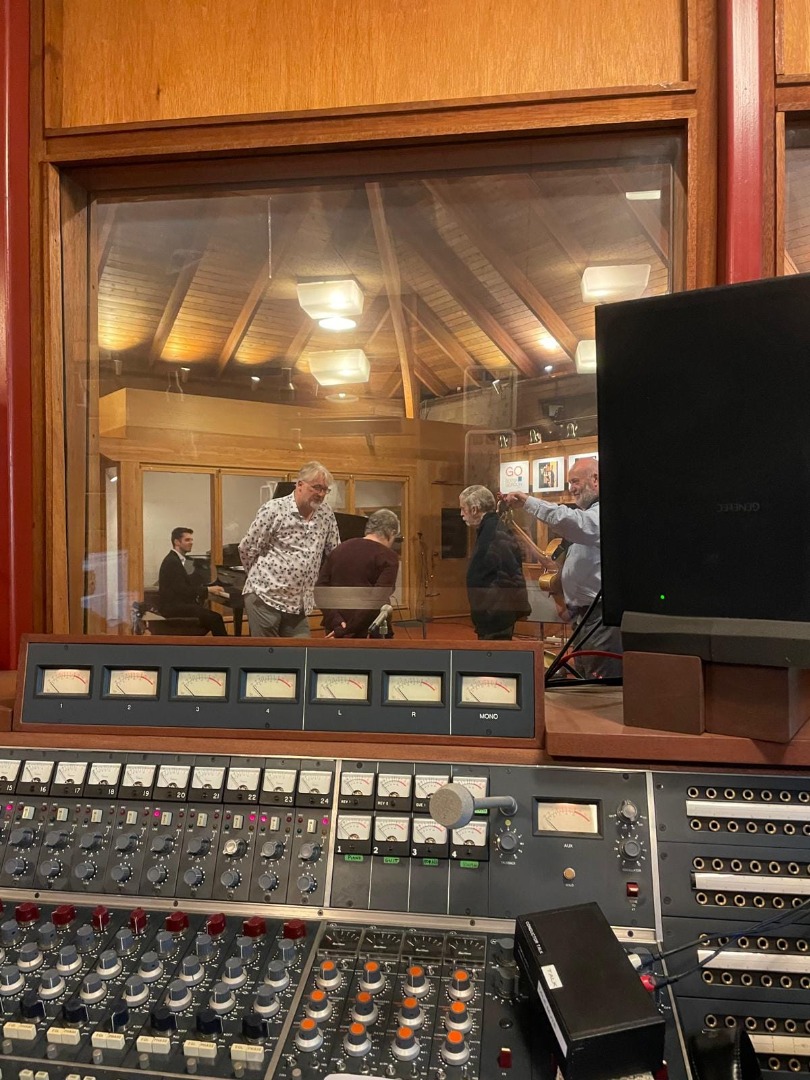
The technical direction of Maureen Sickler played a central role in shaping the four-album project.
Maureen Sickler, who worked closely with Rudy Van Gelder, carries forward an intimate understanding of the studio’s acoustic personality. Her engineering approach respects the natural sound of the room while maintaining contemporary clarity.
For Austin O’Brien, this collaboration was essential.
A jazz singer recording at Rudy Van Gelder Studio must balance tradition with individuality. Sickler’s sensitivity to microphone placement, room tone, and vocal presence ensured that Austin’s voice retained warmth and dimensionality without artificial enhancement.
The engineering philosophy favored authenticity over compression. Dynamics were preserved. Space was allowed to breathe.
The result is a vocal sound that feels present — not manufactured.
This technical integrity strengthens the albums’ longevity and supports their positioning within international jazz touring circuits.
Working with Don Sickler
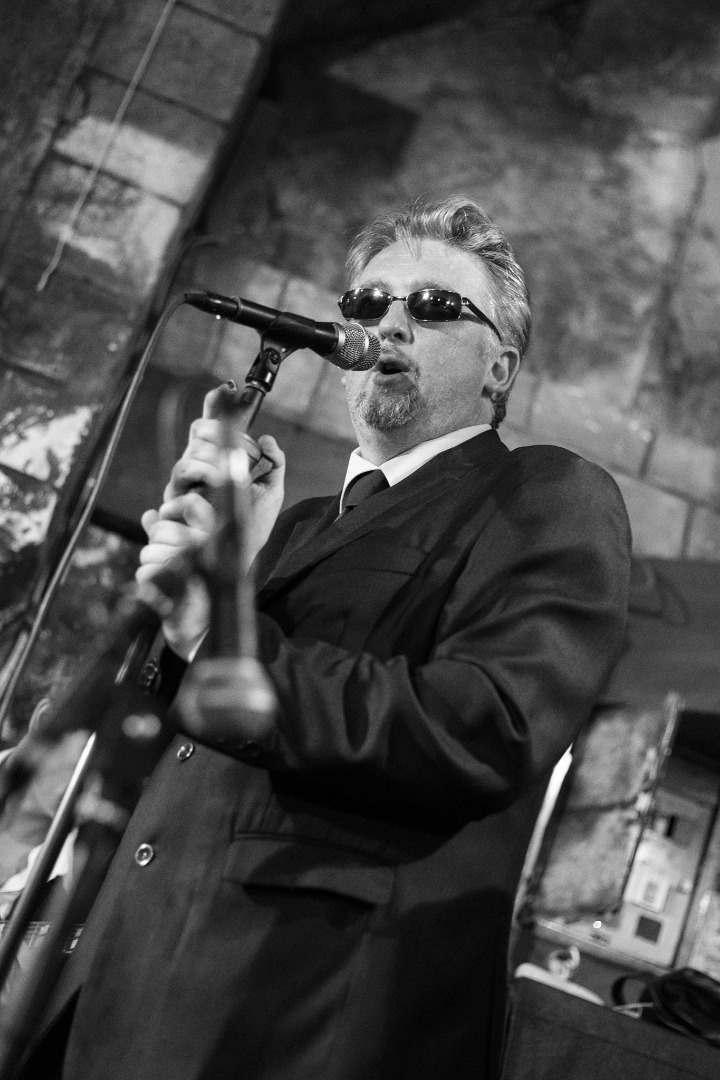
Alongside the engineering direction, musical guidance from Don Sickler contributed depth and structural coherence to the sessions.
Don Sickler’s experience as a musician and producer brought perspective to arrangement decisions, pacing, and ensemble balance. His understanding of jazz lineage provided contextual grounding while allowing space for Austin’s interpretative identity.
The collaboration emphasized musical architecture:
- Thoughtful sequencing
- Balanced arrangements
- Narrative progression across each album
- Respect for space and phrasing
For a contemporary artist recording at Van Gelder Studio, such guidance ensures that the project resonates beyond technical achievement.
It becomes artistic statement.
The Four-Album Project
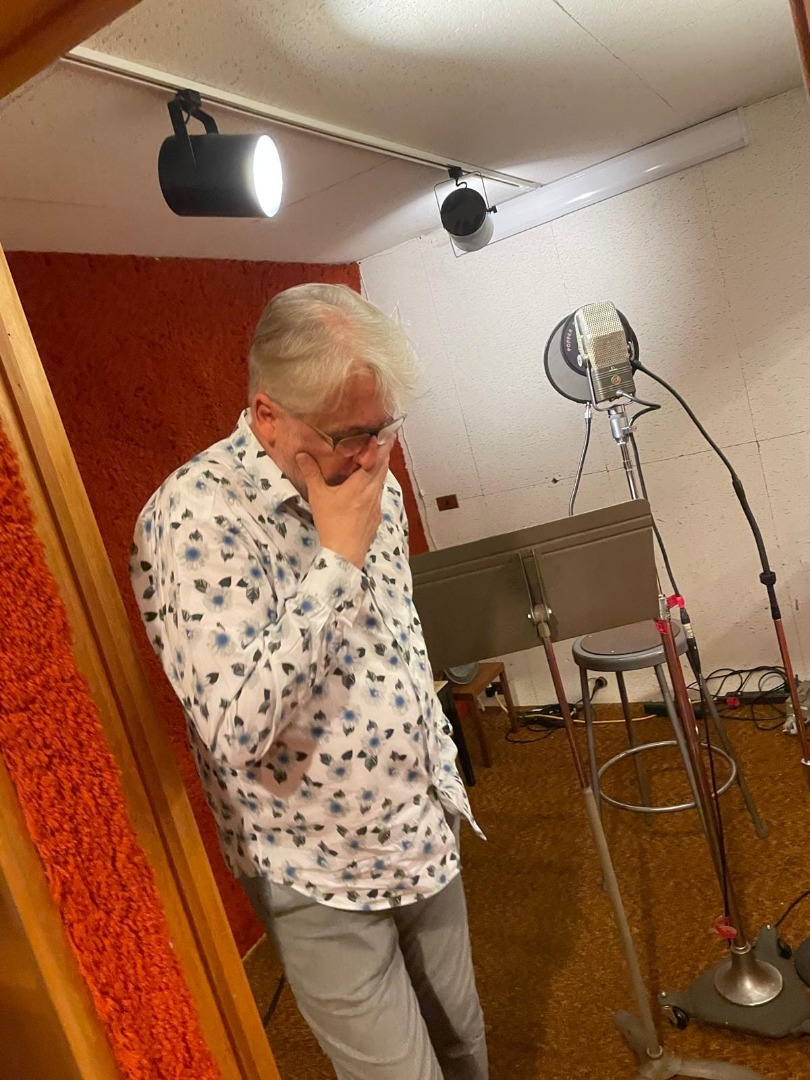
Between 2024 and 2026, Austin O’Brien completed four full-length albums at Rudy Van Gelder Studio.
This was not a series of disconnected sessions. It was a structured artistic cycle.
Each album explores a distinct yet interconnected dimension of his musical language:
- Interpretations of the American Songbook
- Contemporary jazz phrasing and harmonic exploration
- Original compositions rooted in storytelling
- Ensemble interplay with New York–based musicians
Together, these recordings form a cohesive body of work designed for international jazz touring and long-term catalog development.
Few jazz singers undertake projects of this scale within a single historic studio.
Fewer still integrate the result into a coherent transatlantic artistic vision.