
Van Gelder Studio
Home / RVGS
Austin O’Brien and the Van Gelder Studio Recordings
How One Irish Artist Is Reconnecting Europe and America Through Jazz.
There are studios where music is captured — and then there are studios where history is shaped.
For a jazz singer, recording at Rudy Van Gelder Studio in Englewood Cliffs, New Jersey is not simply a technical decision. It is a declaration of artistic intent. It means stepping into an acoustic space that helped define the sound of modern jazz. It means placing your voice inside a lineage that extends across decades of innovation, swing, and sonic architecture.
Austin O’Brien is among the rare contemporary artists to have recorded multiple projects at this legendary studio. Between 2024 and 2026, he completed four albums at Rudy Van Gelder Studio, positioning himself within a tradition that continues to resonate globally.
These Van Gelder Studio recordings form the foundation of a transatlantic artistic statement — one that bridges Paris and New York, history and modernity, reverence and reinvention.
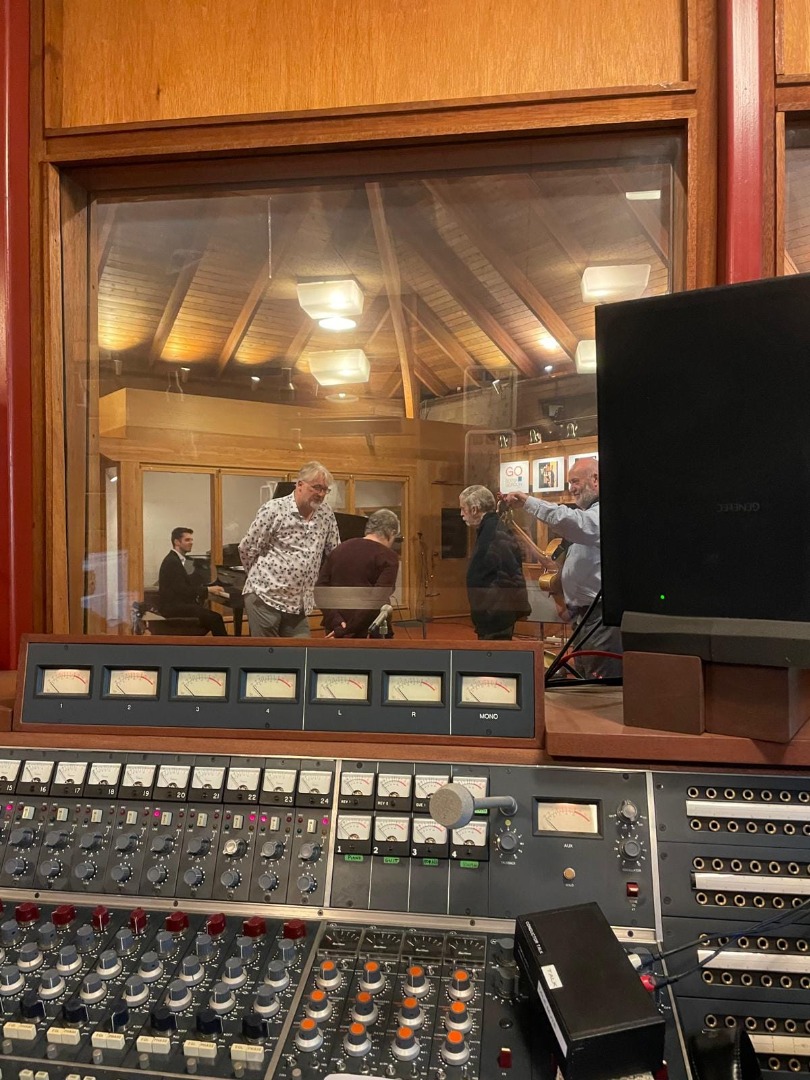
The History of Rudy Van Gelder Studio
Rudy Van Gelder Studio, located in Englewood Cliffs, New Jersey, stands as one of the most iconic recording spaces in jazz history
Designed in 1959 with its cathedral-like ceilings and carefully engineered acoustics, the studio became synonymous with clarity, warmth, and spatial depth.
The sound created within its walls shaped generations of jazz recordings. Its high wooden ceilings and controlled resonance produced a signature tone — intimate yet expansive, detailed yet organic.
The studio was not merely a room. It was an instrument.
Van Gelder’s engineering philosophy emphasized presence: the breath in a saxophone, the wood of a bass, the shimmer of cymbals. For vocalists, the studio offers something rare — transparency without harshness, space without distance. The voice sits naturally in the mix, surrounded rather than isolated.
To record there is to engage with an acoustic environment designed for nuance.
For a contemporary jazz singer recording at Rudy Van Gelder Studio, the experience is both humbling and empowering. The room demands precision. It rewards restraint. It magnifies authenticity.
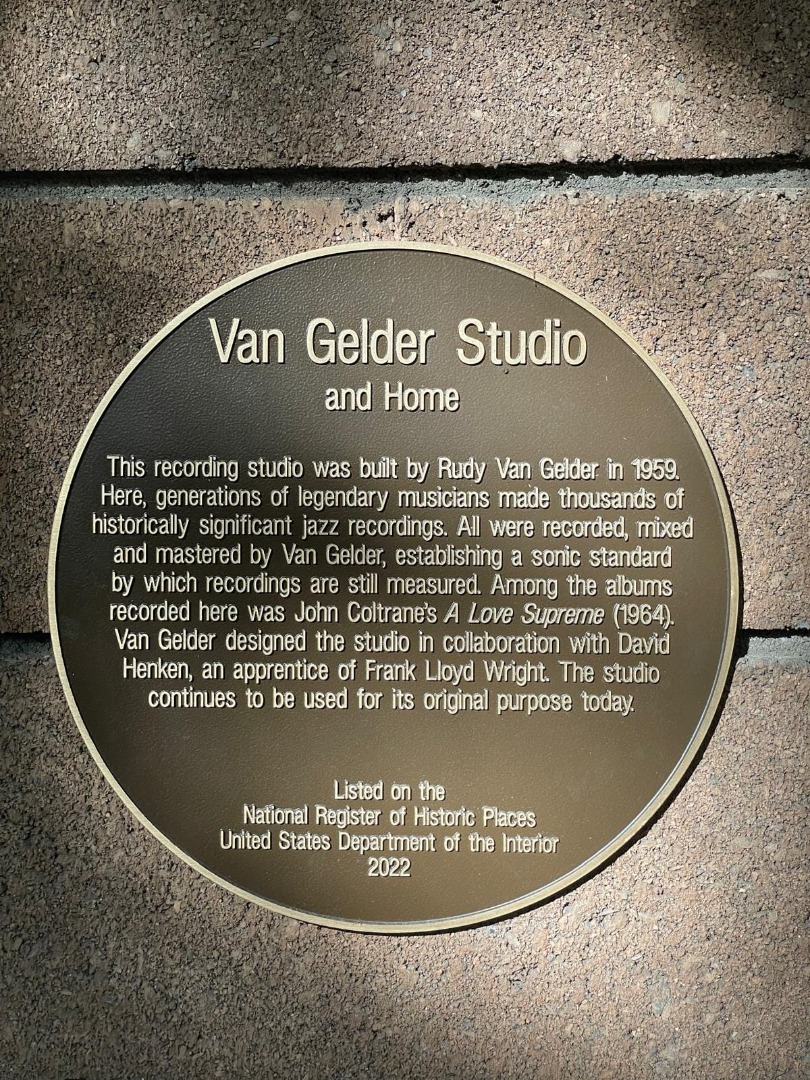
Why Recording at Van Gelder Studio Still Matters Today
In an era of digital production and portable studios, why does recording at Rudy Van Gelder Studio still matter?
Because sound carries memory.
The acoustic design of the studio creates a physical relationship between musician and space. There is depth in the air. There is architecture in the silence. Notes linger differently. Phrasing becomes more deliberate.
For a jazz vocalist, this environment enhances storytelling. Micro-dynamics — breath, consonant articulation, tonal shading — become part of the musical narrative.
Recording at Van Gelder Studio is not about nostalgia. It is about continuity.
For Austin O’Brien, choosing to record four albums there was a conscious artistic decision. It aligned his work with a lineage of craftsmanship and sonic integrity. It ensured that his recordings would possess not only technical quality but spatial character.
Few contemporary artists optimize this distinction. Even fewer vocalists build entire recording cycles within that space.
These Van Gelder Studio recordings are therefore not incidental; they are foundational.
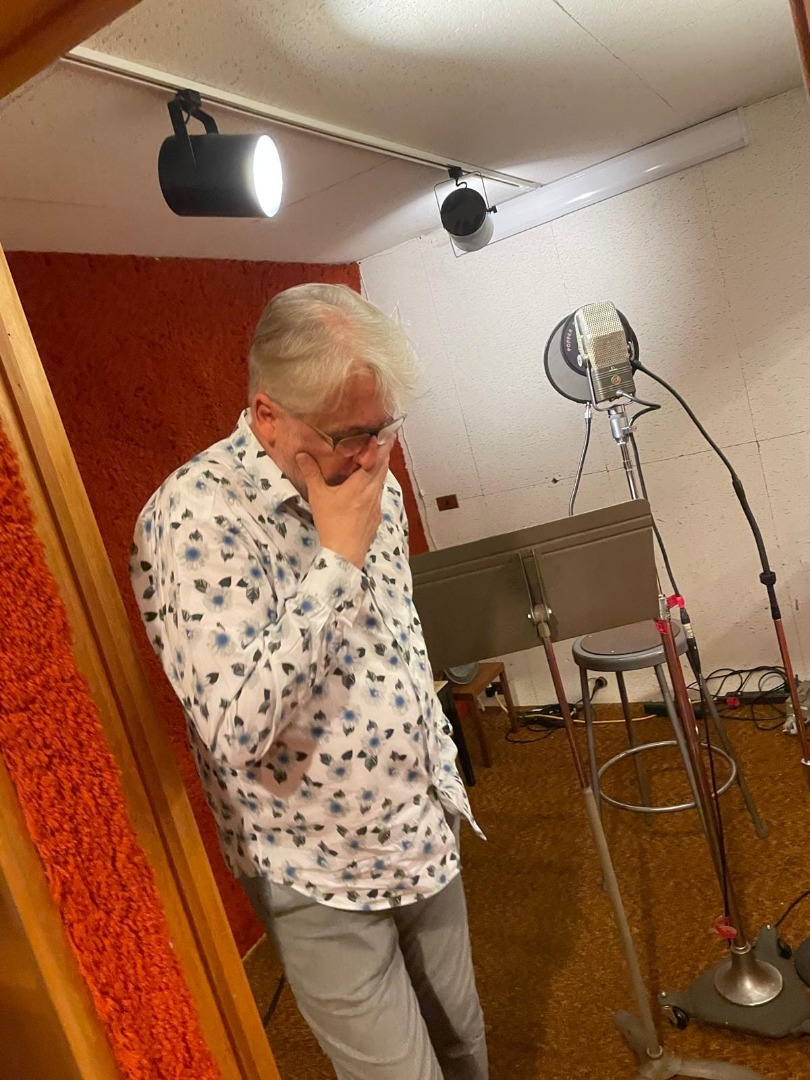
Working with Maureen Sickler
The technical direction of Maureen Sickler played a central role in shaping the four-album project.
Maureen Sickler, who worked closely with Rudy Van Gelder, carries forward an intimate understanding of the studio’s acoustic personality. Her engineering approach respects the natural sound of the room while maintaining contemporary clarity.
For Austin O’Brien, this collaboration was essential.
A jazz singer recording at Rudy Van Gelder Studio must balance tradition with individuality. Sickler’s sensitivity to microphone placement, room tone, and vocal presence ensured that Austin’s voice retained warmth and dimensionality without artificial enhancement.
The engineering philosophy favored authenticity over compression. Dynamics were preserved. Space was allowed to breathe.
The result is a vocal sound that feels present — not manufactured.
This technical integrity strengthens the albums’ longevity and supports their positioning within international jazz touring circuits.
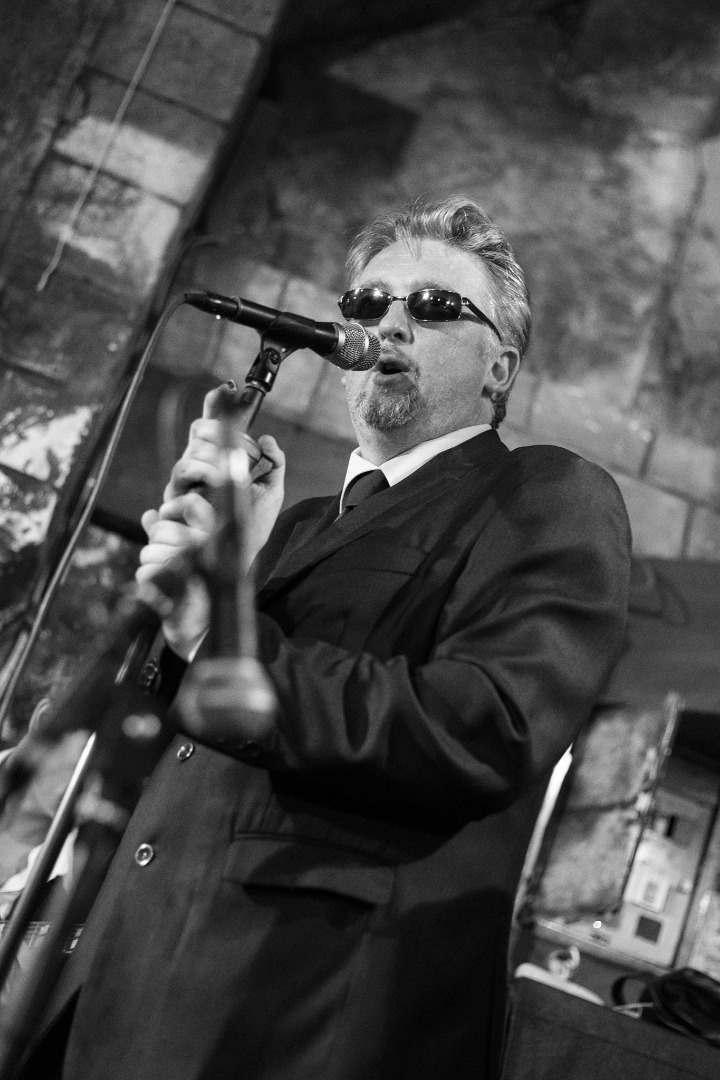
Working with Don Sickler
Alongside the engineering direction, musical guidance from Don Sickler contributed depth and structural coherence to the sessions.
Don Sickler’s experience as a musician and producer brought perspective to arrangement decisions, pacing, and ensemble balance. His understanding of jazz lineage provided contextual grounding while allowing space for Austin’s interpretative identity.
The collaboration emphasized musical architecture:
- Thoughtful sequencing
- Balanced arrangements
- Narrative progression across each album
- Respect for space and phrasing
For a contemporary artist recording at Van Gelder Studio, such guidance ensures that the project resonates beyond technical achievement.
It becomes artistic statement.
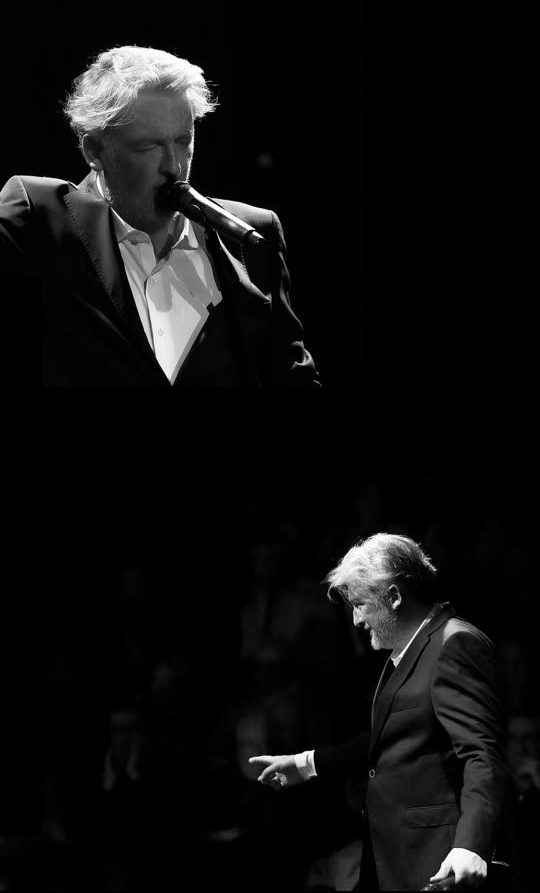
The Four-Album Project
This was not a series of disconnected sessions. It was a structured artistic cycle.
Each album explores a distinct yet interconnected dimension of his musical language:
- Interpretations of the American Songbook
- Contemporary jazz phrasing and harmonic exploration
- Original compositions rooted in storytelling
- Ensemble interplay with New York–based musicians
Together, these recordings form a cohesive body of work designed for international jazz touring and long-term catalog development.
All four albums are fully recorded, mixed, and mastered. The artist retains full ownership of the masters, ensuring strategic flexibility for distribution and global partnerships.
Few jazz singers undertake projects of this scale within a single historic studio.
Fewer still integrate the result into a coherent transatlantic artistic vision.
